NEWS
Misdiagnosis By Timber and Damp Surveying Companies
March 2026
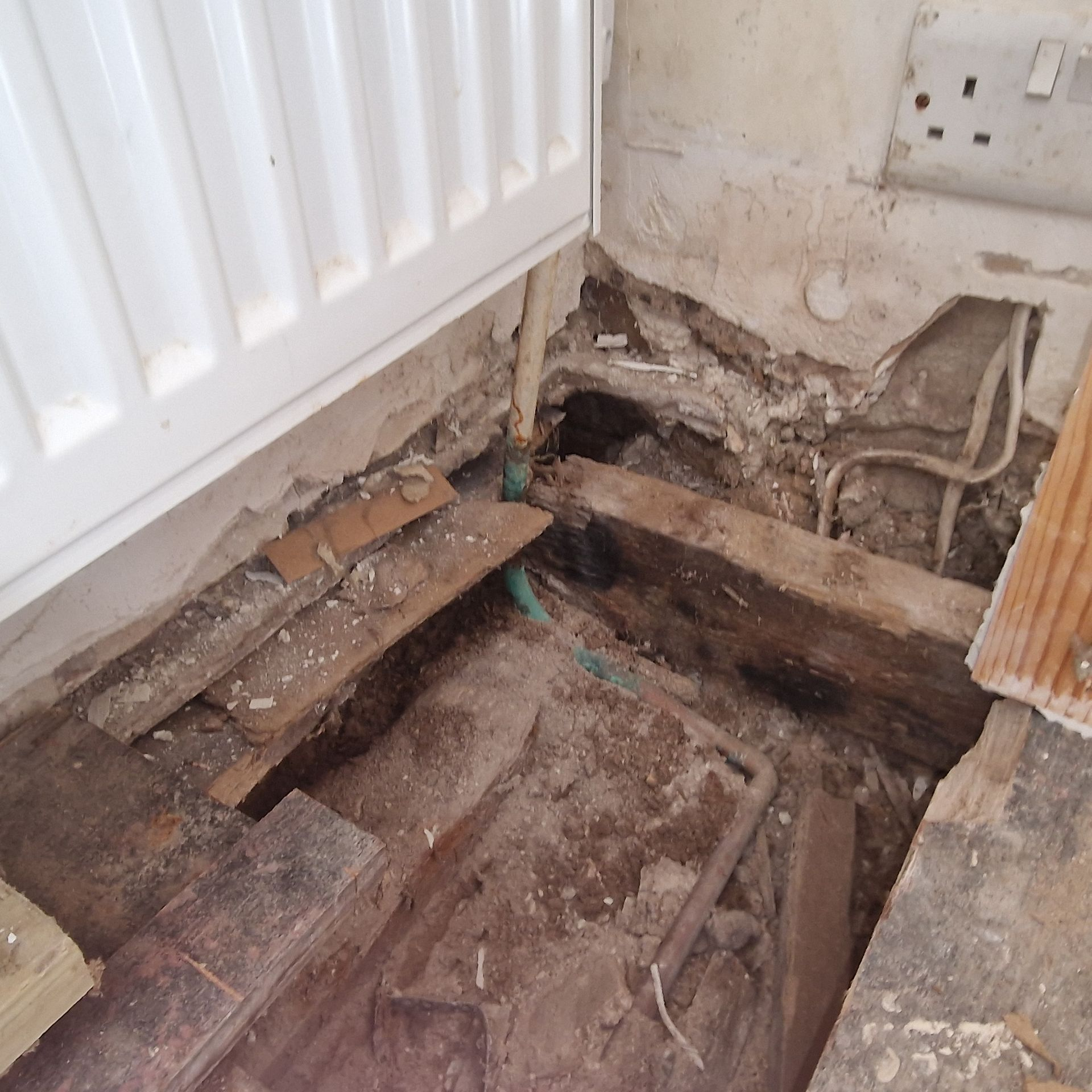
Slight floor movement in a corner of a lounge in an old terrace with a £15,000 estimate for repair which was not required.
An old period property with a small ongoing leak unnoticed, was estimated a £15,000 +vat, repair which turned out could be repaired for less than a £1000. Damp proof companies at its worst.
First and foremost, this is not a dig at all damp-proofing companies—standards vary in every profession. In surveying, for example, there are unfortunately some very poor surveyors out there, even among those who are qualified.
This case is one I encountered recently (with a similar example last year), and it highlights a serious issue: unnecessary, costly work being recommended following a poor investigation into a damp problem and I'm sure proferteering.
The property in question was a rental and subject to an enforcement notice from the local council, so there was already time and pressure to carry out repairs.
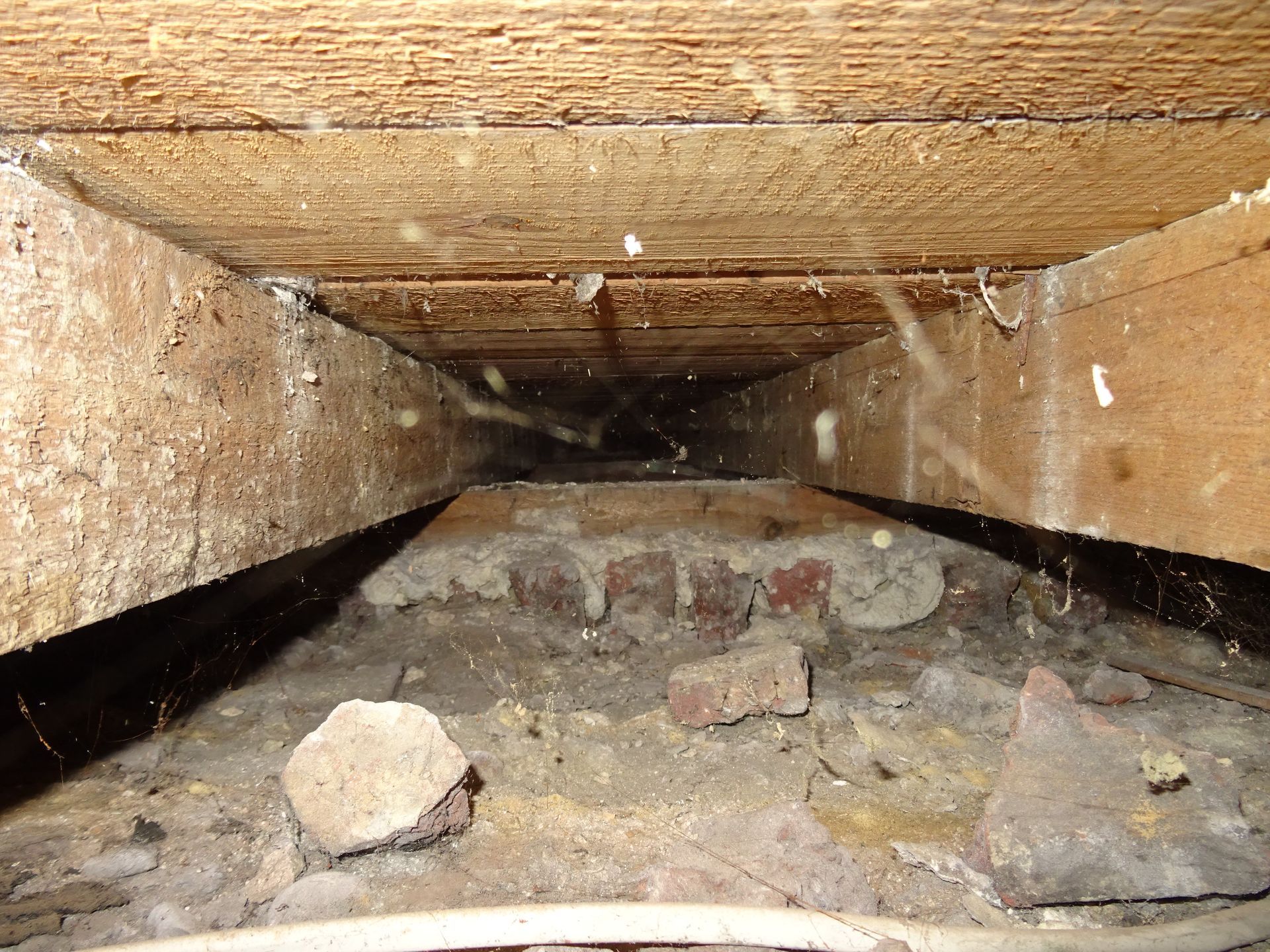
A report and estimate from a local timber and damp specialist company painted a very alarming picture. It suggested extensive damage, including wet rot and possibly dry rot, and recommended significant structural work.
For any property owner—especially a landlord—this would be extremely concerning and potentially very expensive and in this situation, the landlord decided to get a second oppinion.
The reality was very different when it was independently inspected.
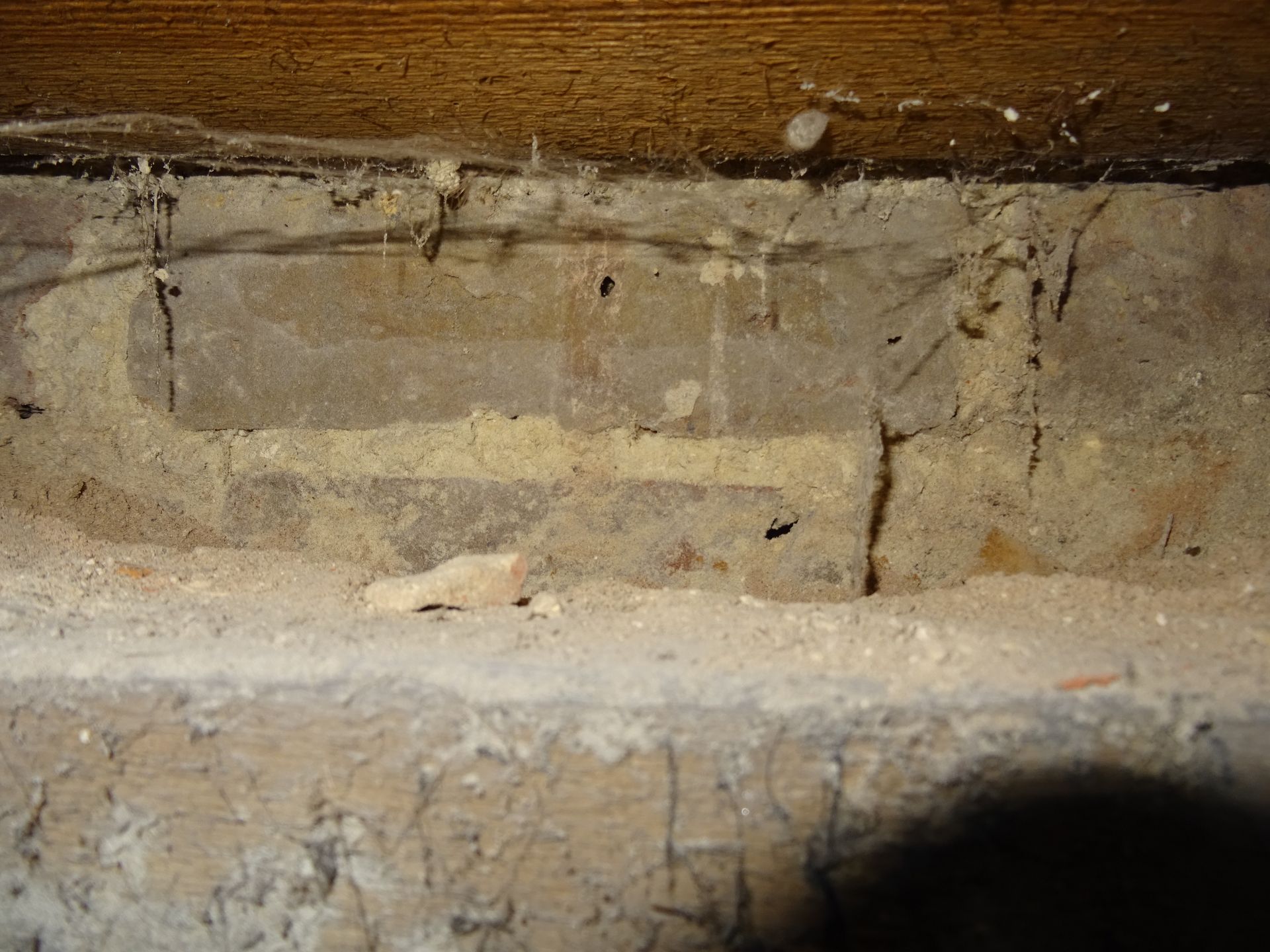
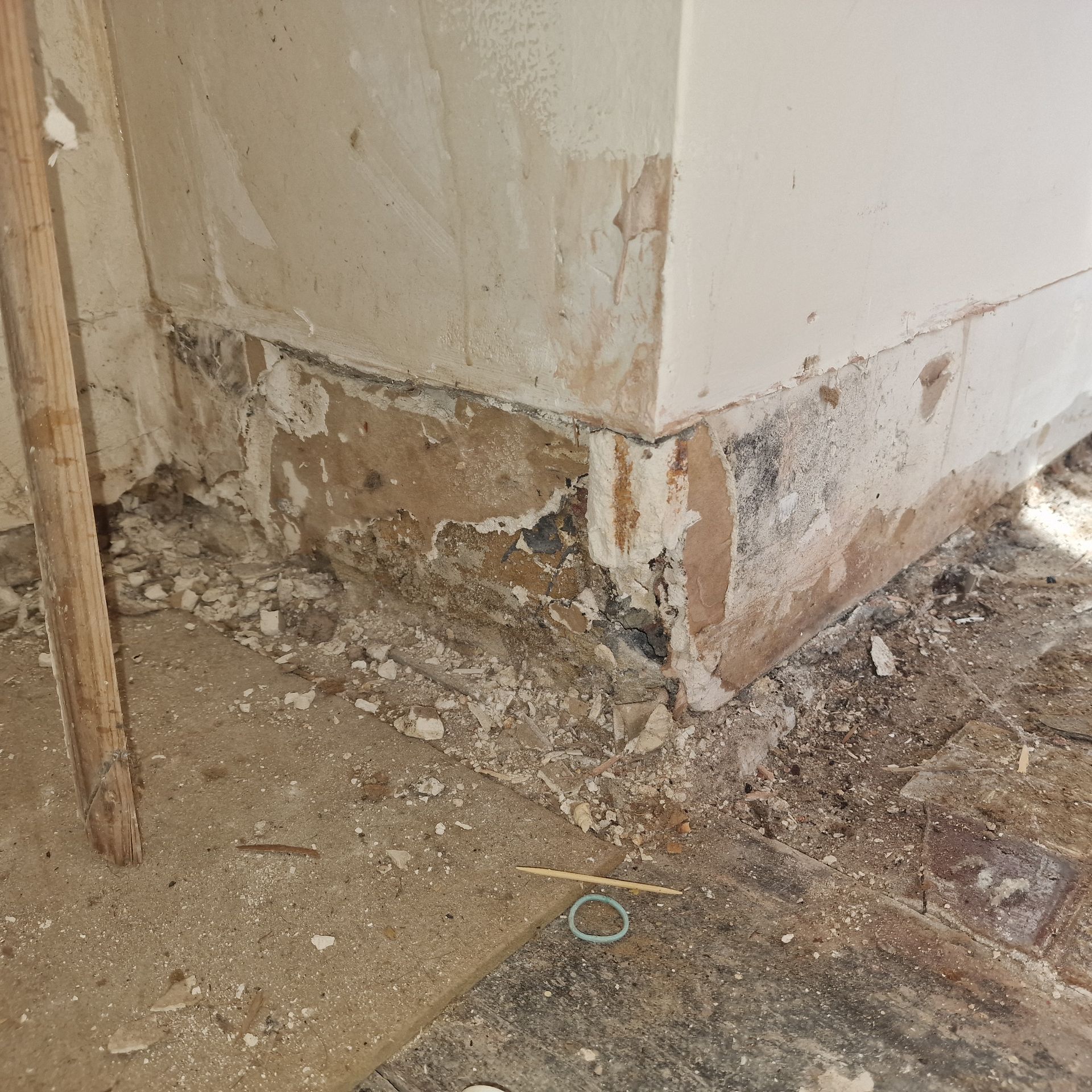
The actual cause was a minor pipe leak, along with some water ingress at a corner of the building due to a poorly executed external repair (ironically, by another damp-proofing contractor). The situation did not warrant the proposed works, which included stripping back walls, removing original lath and plaster (which was in good condition), and replacing large sections of timber and floorboards that were perfectly sound for their age.
There were also recommendations to apply modern cement-based treatments and chemical solutions to the lower brickwork, without any consideration for the building’s traditional construction. This kind of approach can often do more harm than good, particularly in older properties that need to “breathe.”
In my professional opinion, the scope of work outlined was excessive and unjustified. When recommendations appear to go far beyond what is necessary, it raises serious questions, How do they get away with it?
The key factor is simple: if you are faced with a similar situation, seek advice from an independent moisture surveyor. A single-defect report—typically starts in the region from £425 and can save you thousands in unnecessary work as in this case and help ensure that any repairs are appropriate for the building and most of all, nececerry.
In this case, My client saved thousand's due to employing an independent surveyor, and the house is now fixed and all signed of bu the housing officer and can breathe a sigh of relief, lituraly.