Mould and Moisture Issues
The facts
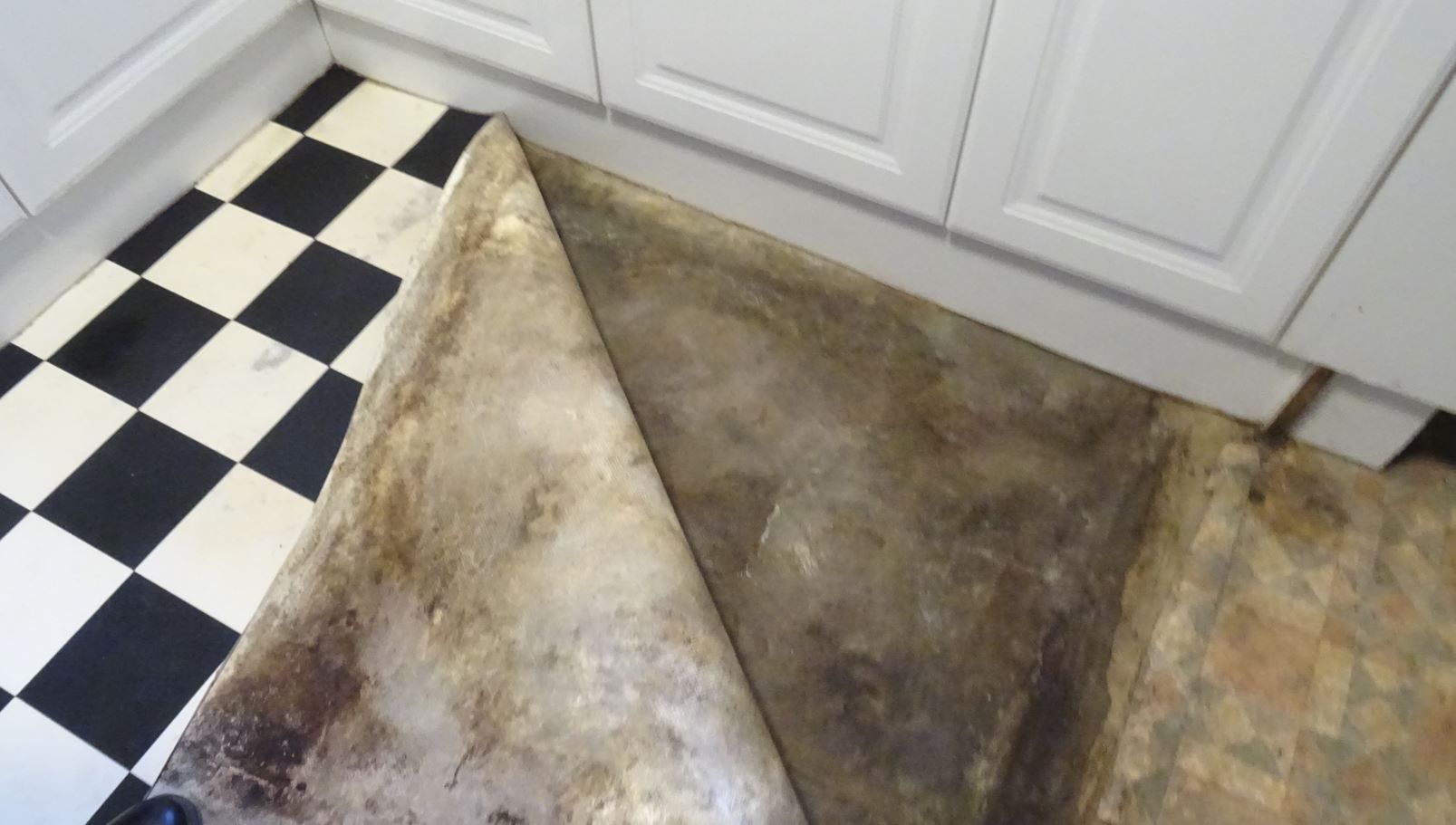
From 22 November 2022, the Regulator of Social Housing wrote formally to all registered social housing providers (housing associations and local authority landlords), making clear that they must demonstrate they have effective systems in place to identify, record, investigate and deal with damp, mould and associated hazards in the homes they manage. Providers were asked to submit evidence showing:
- That they have proactive systems and processes to identify damp and mould issues;
- How they record and monitor reported or suspected cases;
- How they investigate sources of moisture and mould; and
- How they ensure timely and effective remediation to protect tenant health.
This directive forms part of the Regulator’s oversight under the Consumer Standards in the social housing regulatory framework, which requires homes to be safe, free from serious hazards, and maintained to a decent standard. Landlords who fail to meet these standards risk regulatory action.
Importantly, this regulatory emphasis predates and feeds directly into more formal legal duties now being introduced under “Awaab’s Law” — the provisions in the Social Housing (Regulation) Act 2023 that amend the Landlord and Tenant Act 1985 (via a new section 10A) and underpin a new statutory framework for dealing with hazards, including damp and mould. From 27 October 2025, the first phase of Awaab’s Law requires social landlords to:
- Investigate emergency hazards (including serious damp and mould) as soon as possible — generally within 24 hours if there is imminent risk;
- Investigate significant damp and mould hazards reported by tenants within 10 working days of notification;
- Take action to make the property safe within a further five working days after inspection; and
- Provide tenants with a written summary of findings shortly after inspection.
The Regulations implementing these duties (the Hazards in Social Housing (Prescribed Requirements) (England) Regulations 2025) set out these timeframes and clarify landlord responsibilities. Social landlords must also prepare for further phases, with additional hazard categories (such as excess cold, heat and fire safety risks) coming into scope in 2026 and 2027.
Separately, under existing statutory provisions — particularly the Homes (Fitness for Human Habitation) Act 2018 and the Environmental Protection Act 1990 — all rented properties (social and private) must be fit to live in and free from conditions prejudicial to health (which includes severe damp and mould). This means landlords cannot simply ignore or delay remediation where damp and mould constitute a hazard that affects tenant health and safety; local authorities and tenants themselves may enforce these duties through Environmental Health or civil action.
Mold and Moisture in the Housing and Local Authority